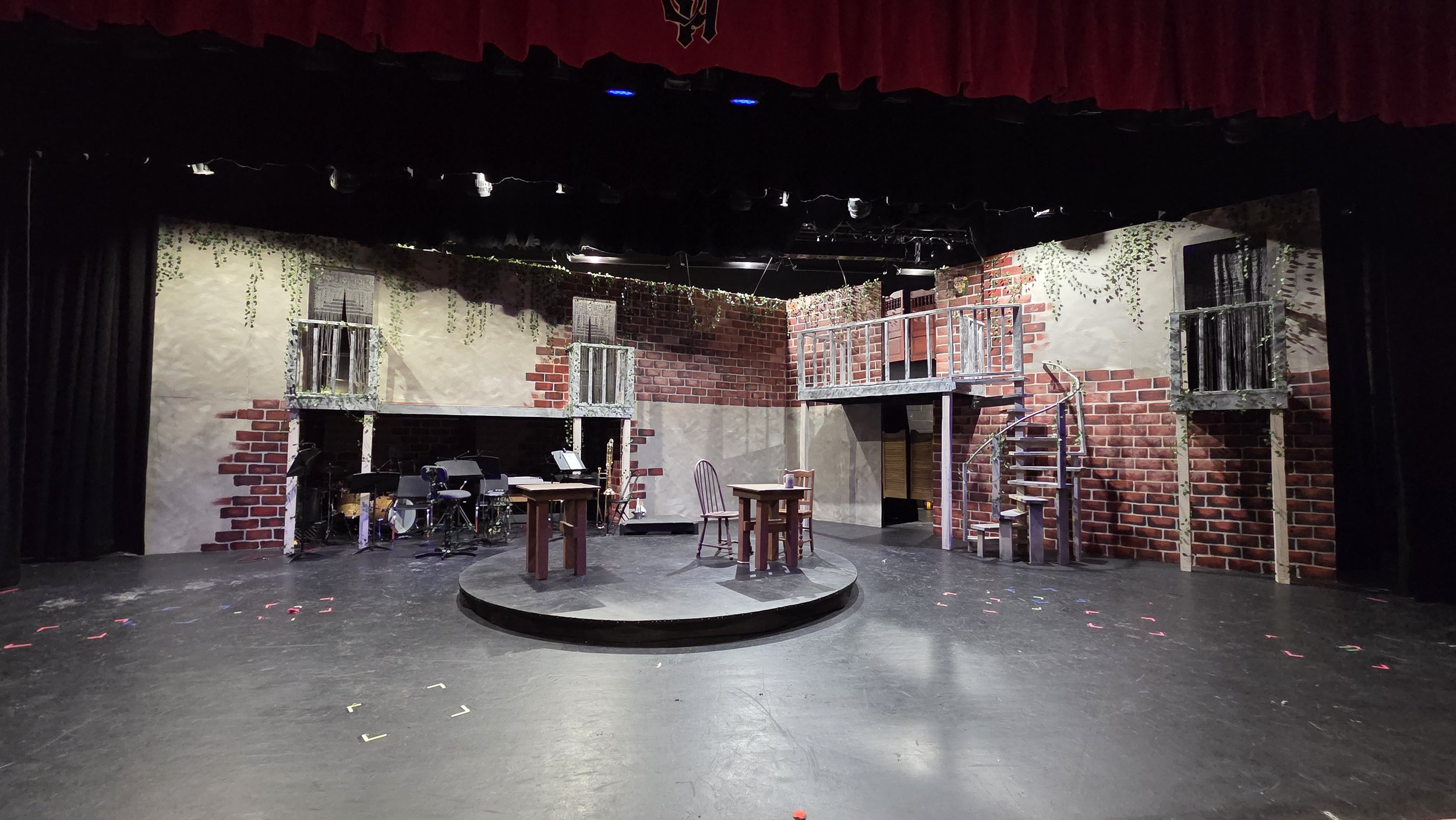
Fully Completed Set for Hadestown at Oak Hills High School
If you had asked me a few years ago what industrial design was, I probably couldn't have given you a good answer.
At the time, I wasn't designing products—I was building scenery.
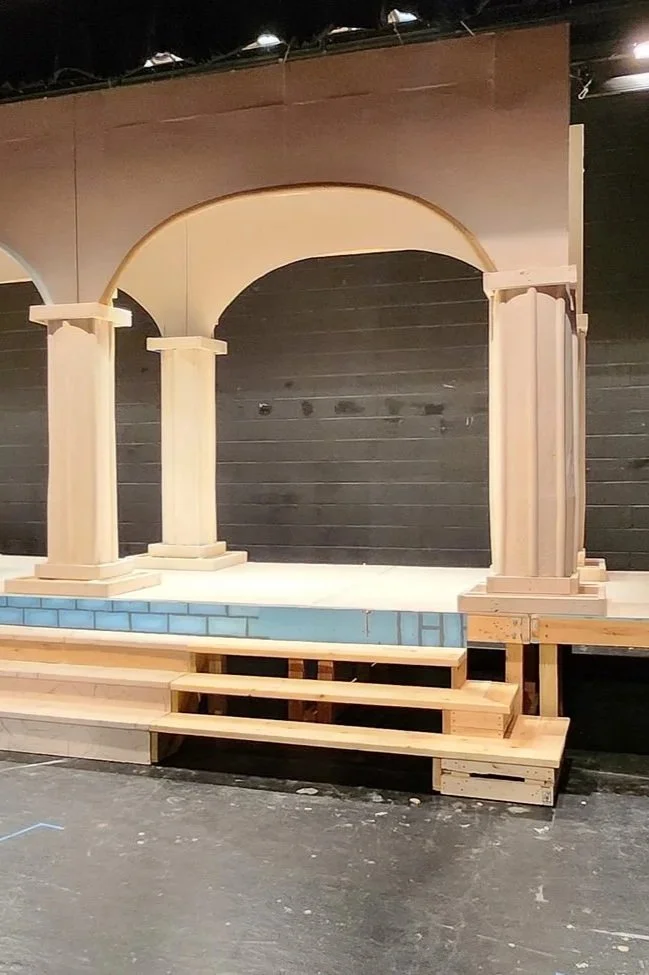
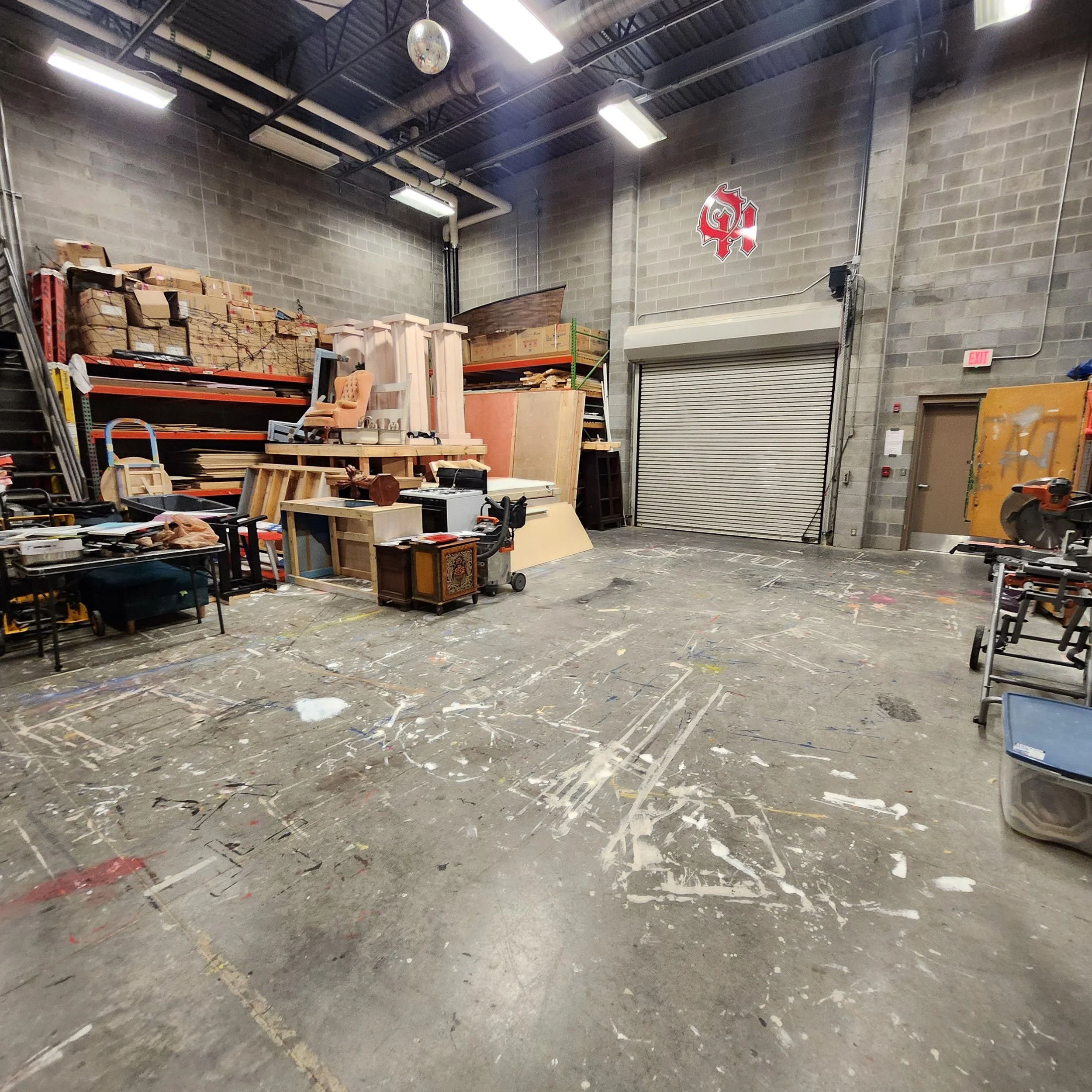
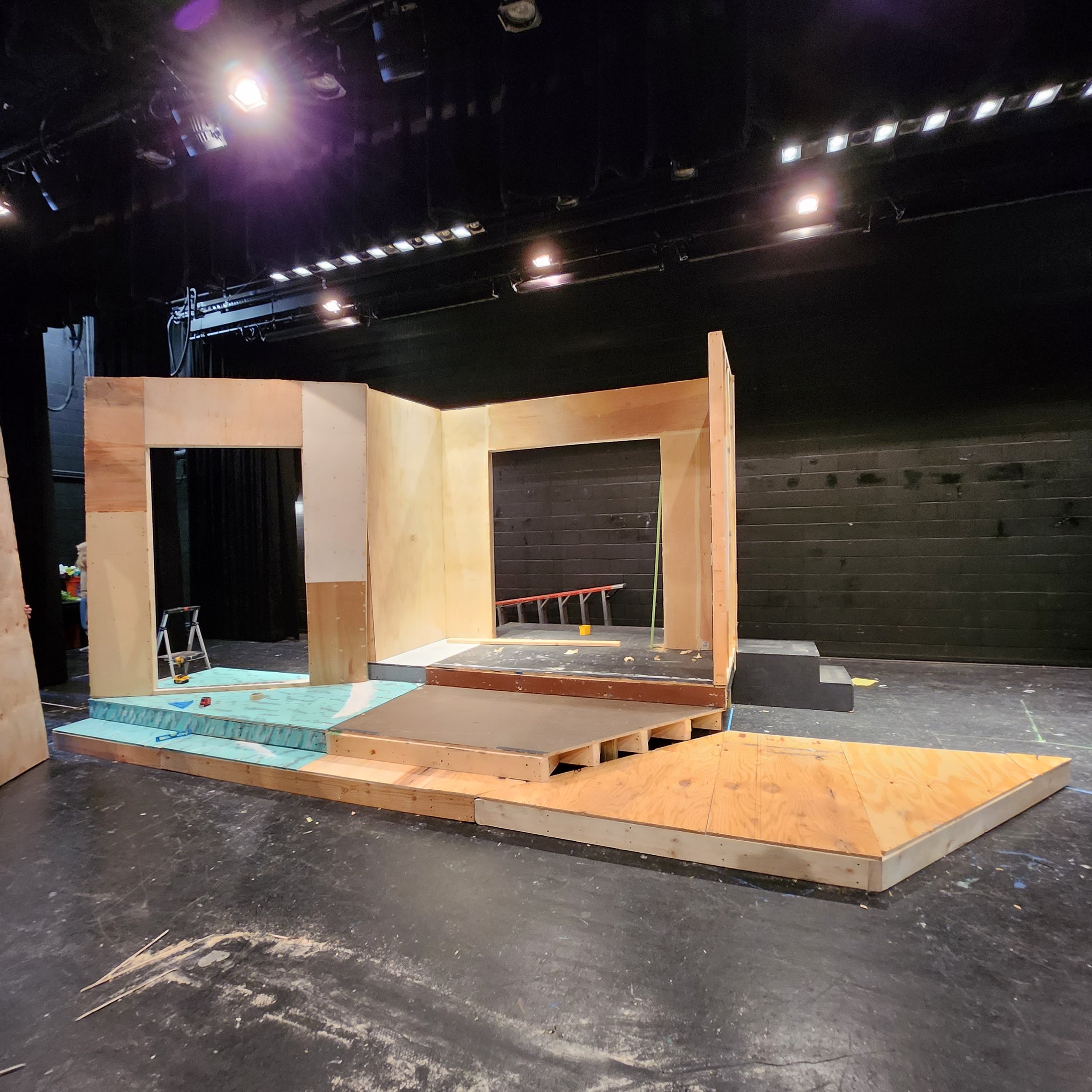
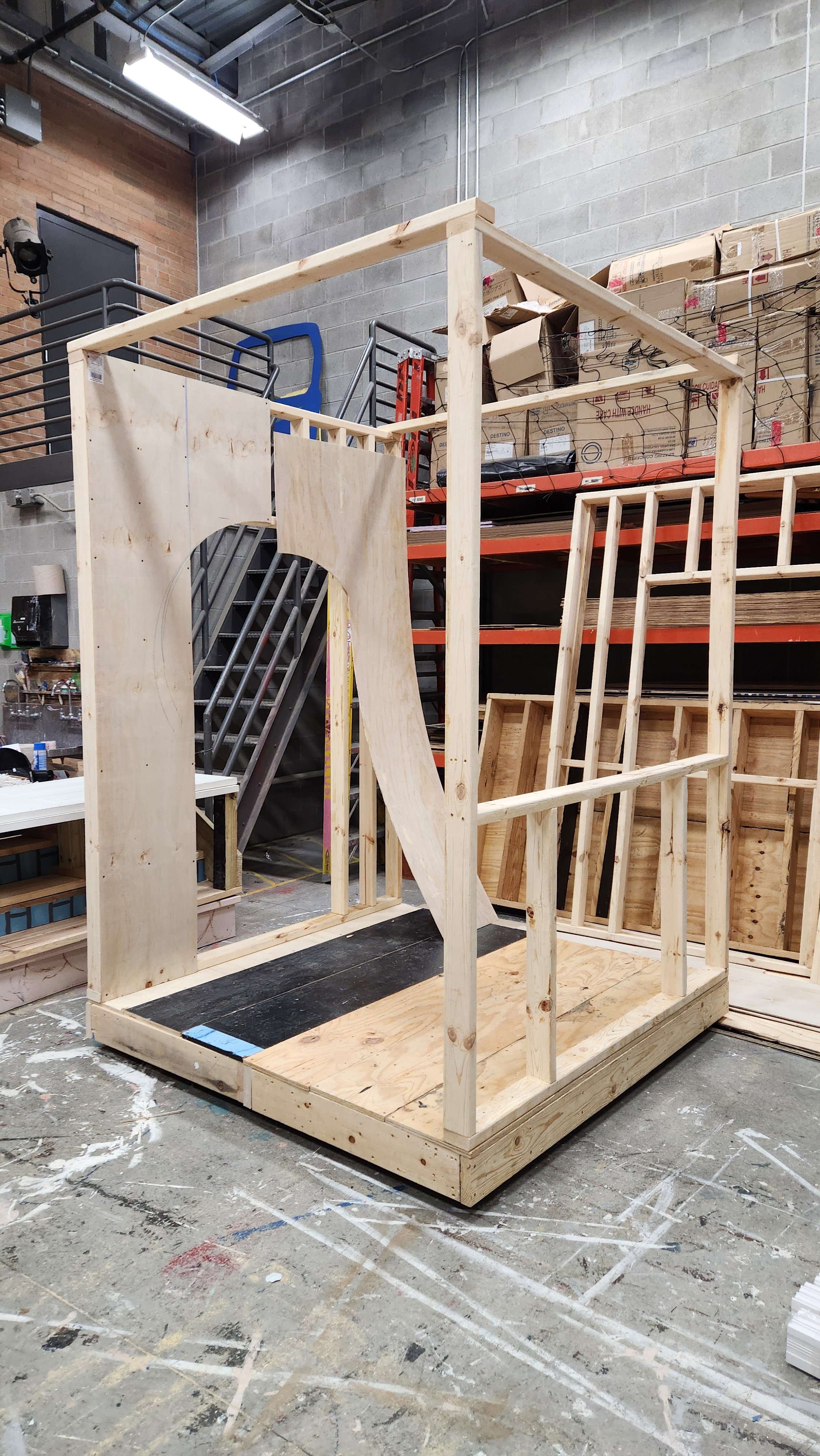
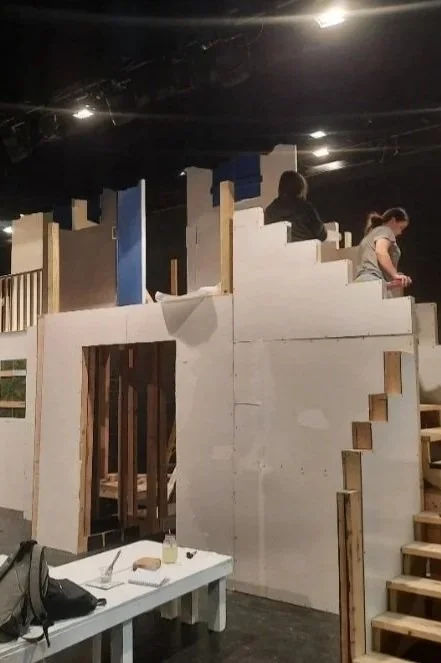
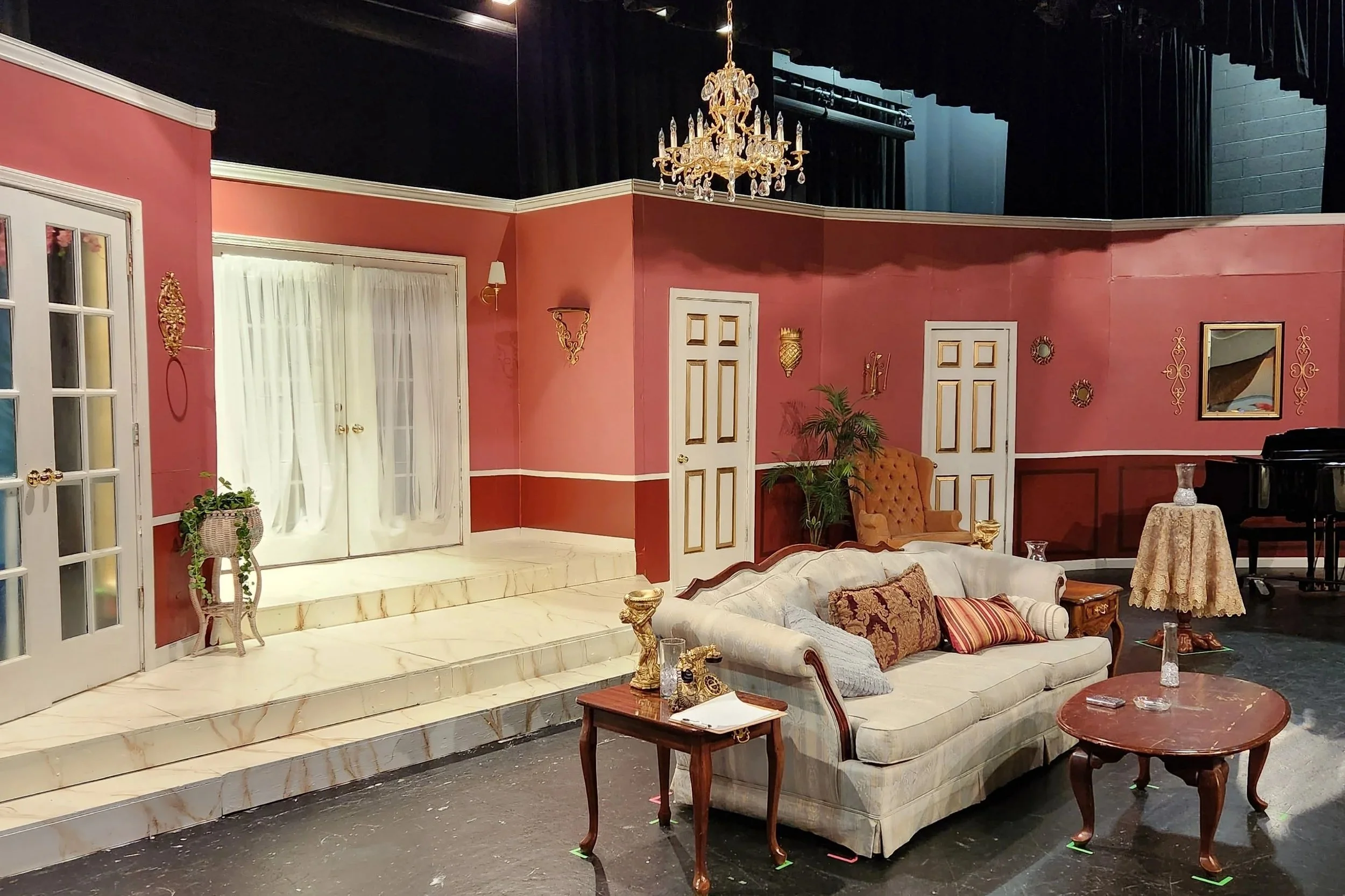
I spent countless hours after school in the theater shop constructing sets, hanging lights, troubleshooting equipment, and preparing productions. Every project came with impossible deadlines, limited budgets, and problems that didn't exist until something was physically built.
Looking back, I didn't realize I was already learning the mindset of an industrial designer.
One of the first lessons technical theater taught me was that every design decision has consequences.
A beautiful set isn't successful if it can't be built.
A moving platform isn't impressive if it can't be operated safely.
A lighting position isn't useful if nobody can service it after installation.
In theater, every decision affects the people building the production, performing on stage, and operating the equipment behind the scenes.
That same thinking now influences every project I work on.
Technical theater also taught me to embrace iteration.
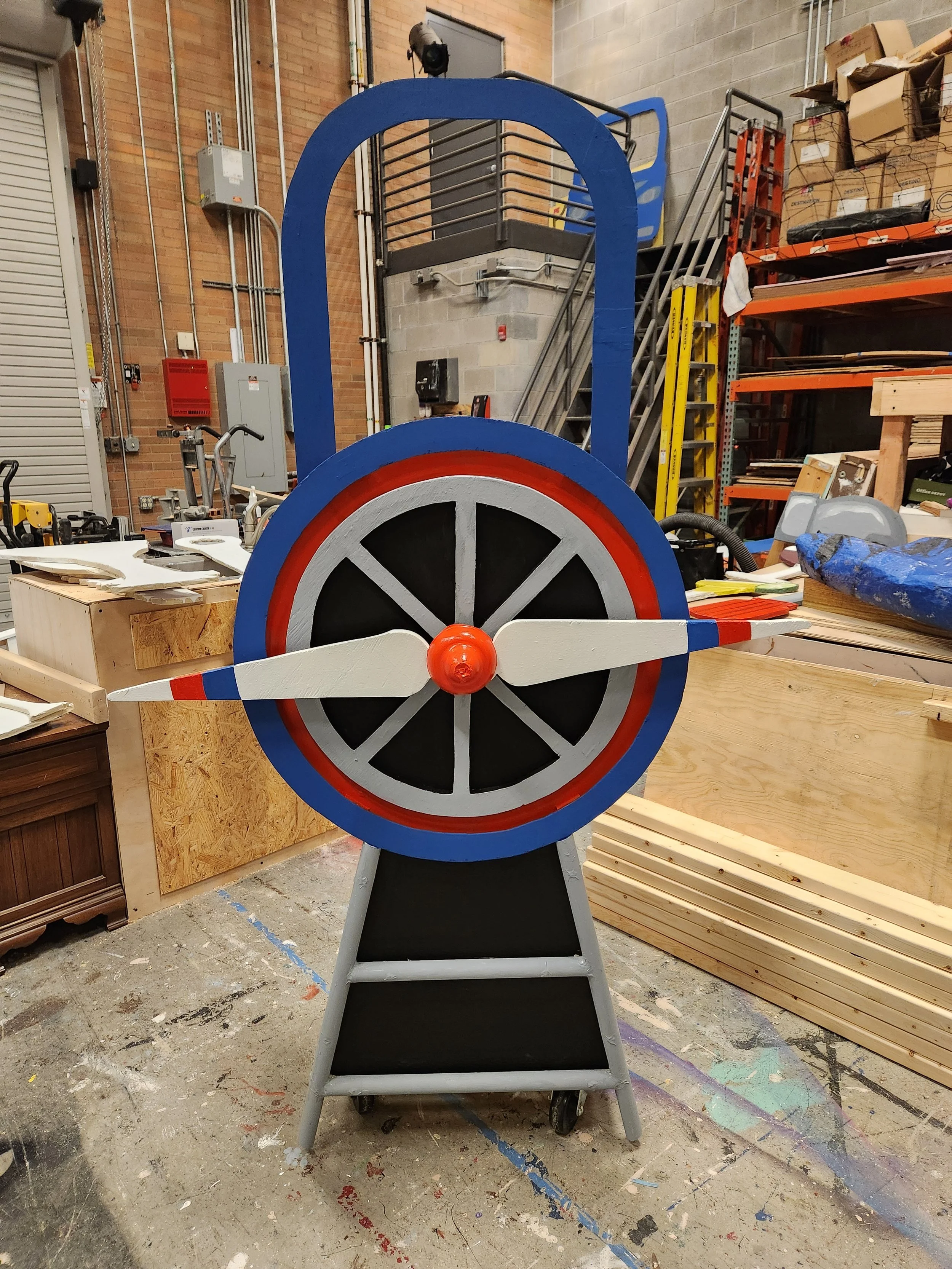
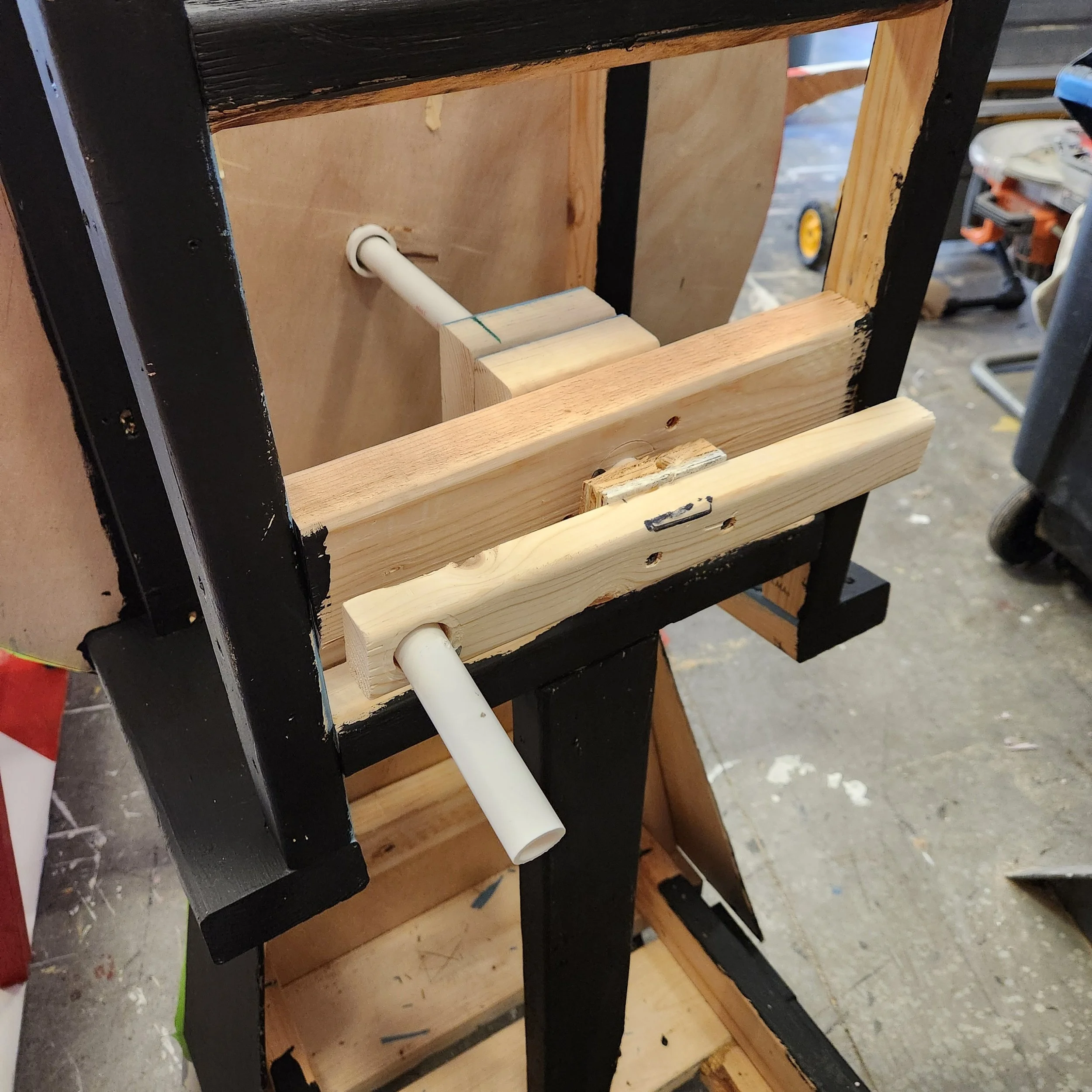
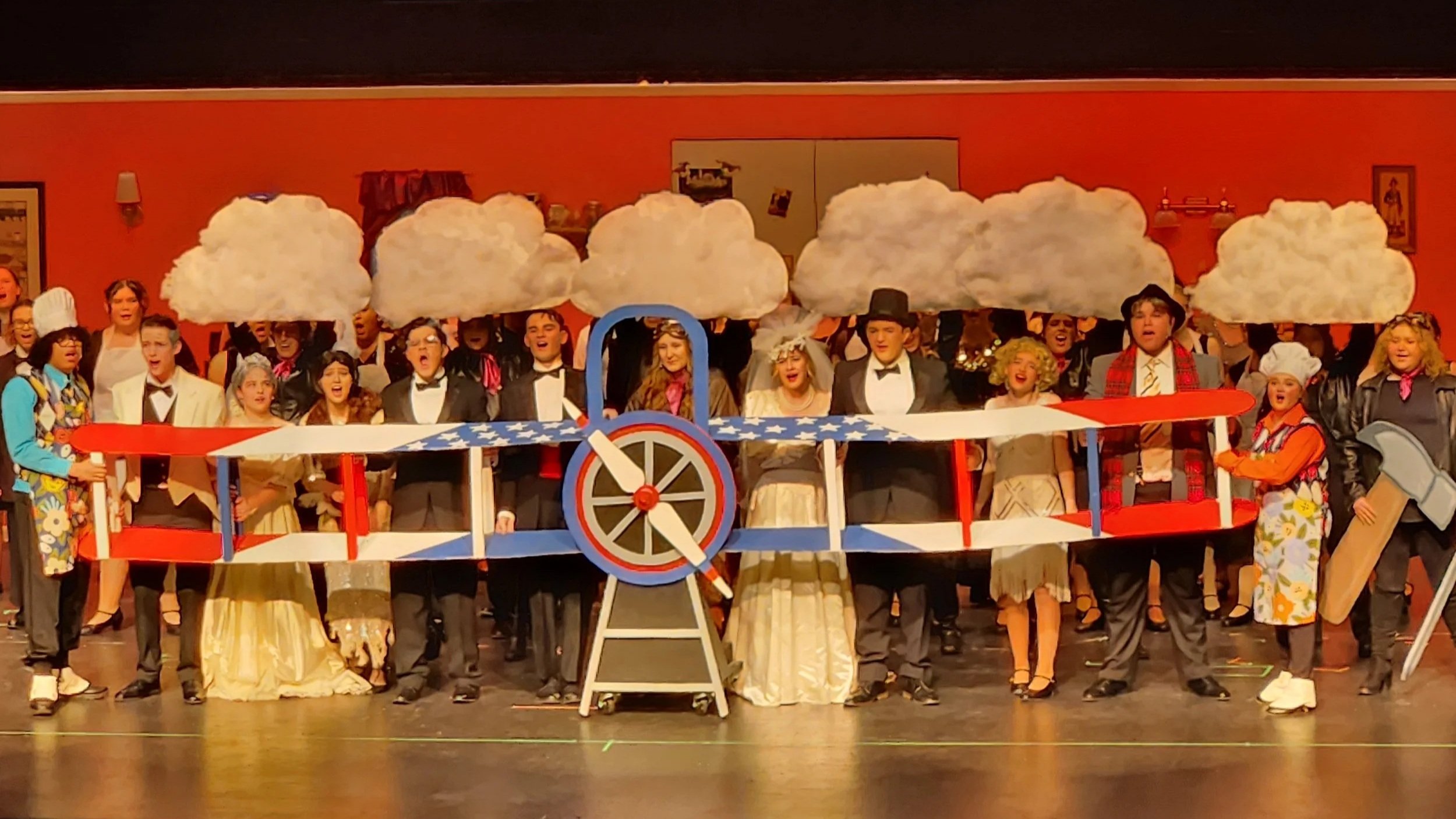
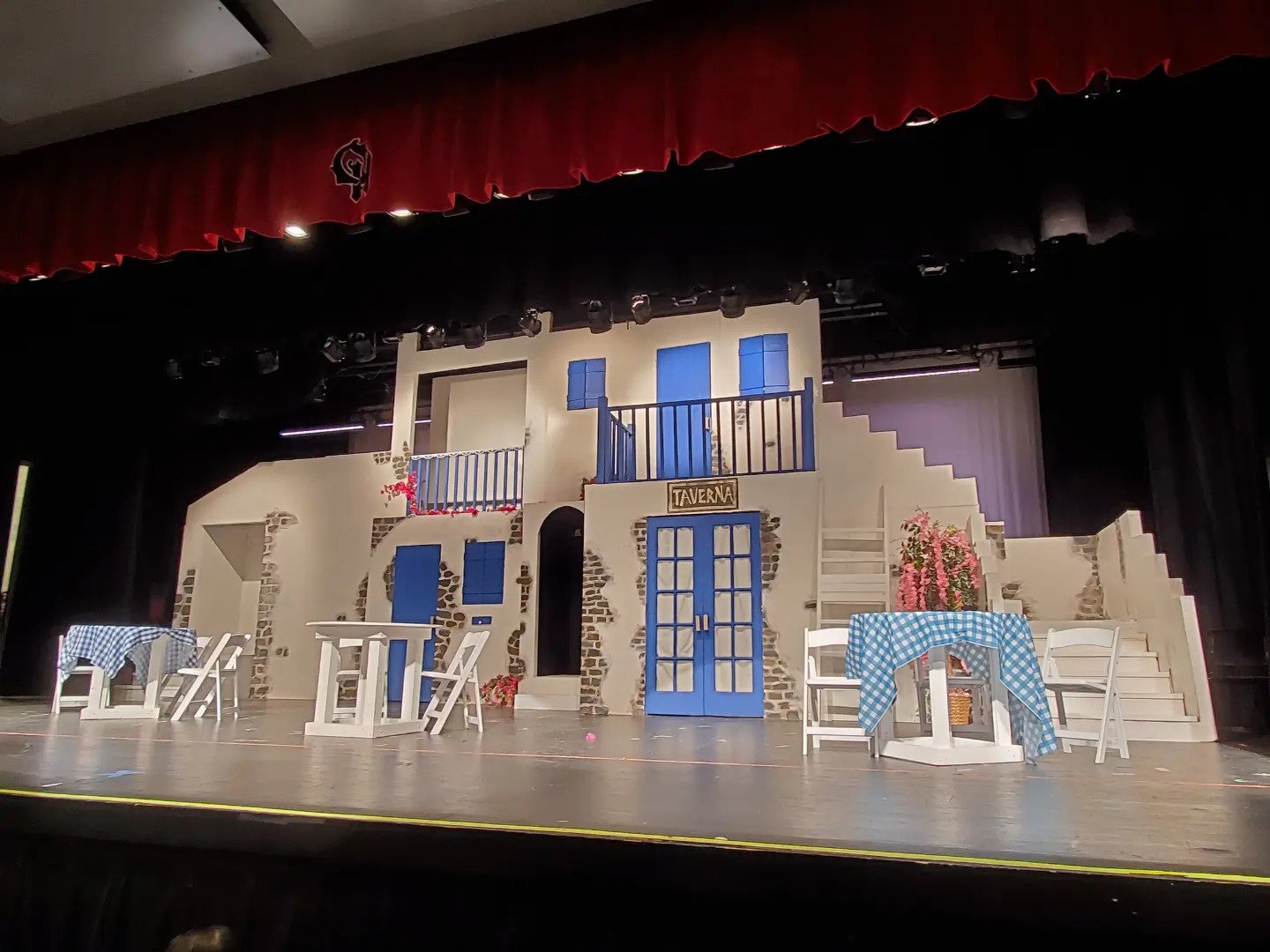
Scene During The Drowsy Chaperone at Oak Hills High School
Almost nothing works perfectly the first time.
I've learned to expect revisions—not because the original idea was bad, but because building something in the real world always reveals information you couldn't have predicted.
Some of my favorite projects have changed dramatically between the first sketch and the final result.
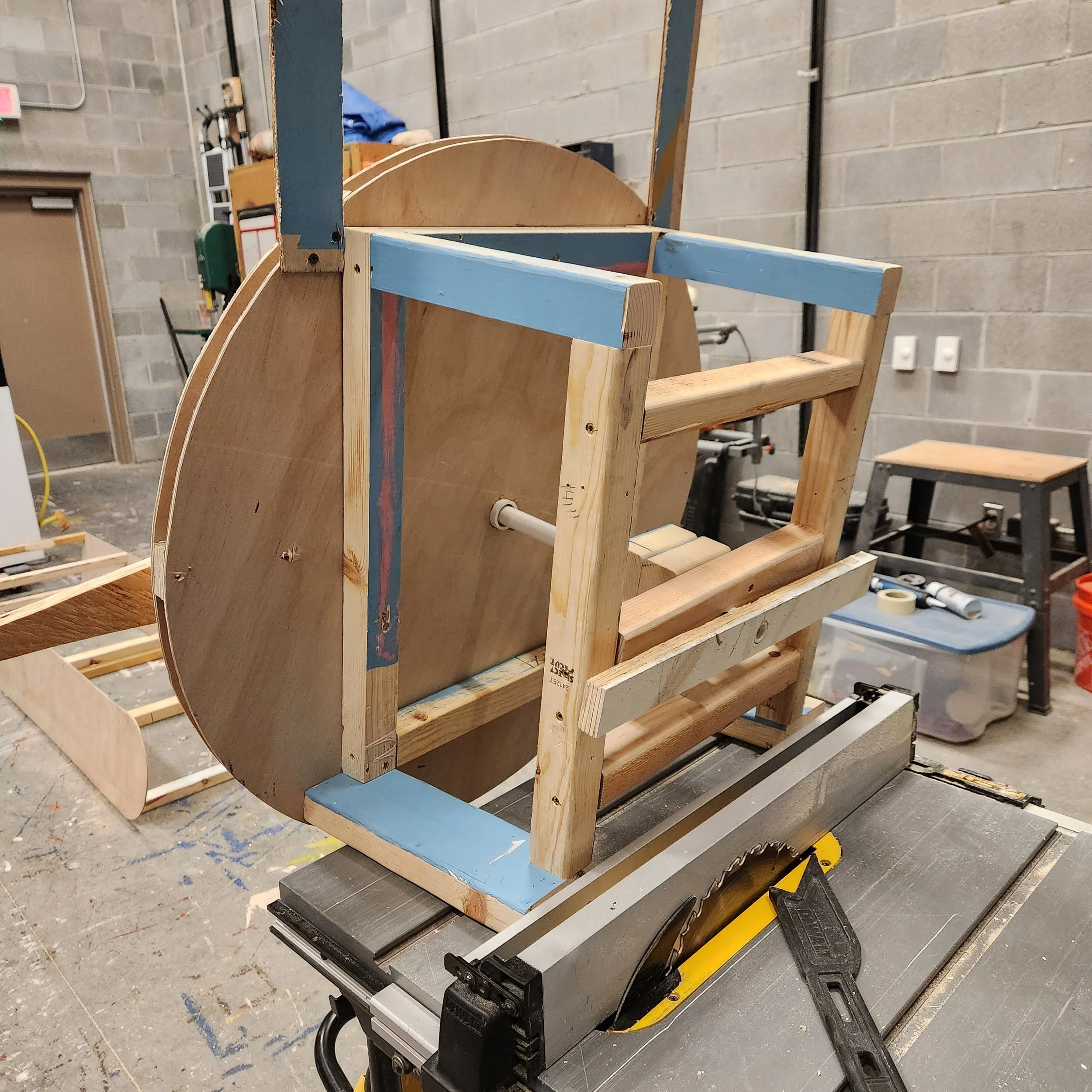
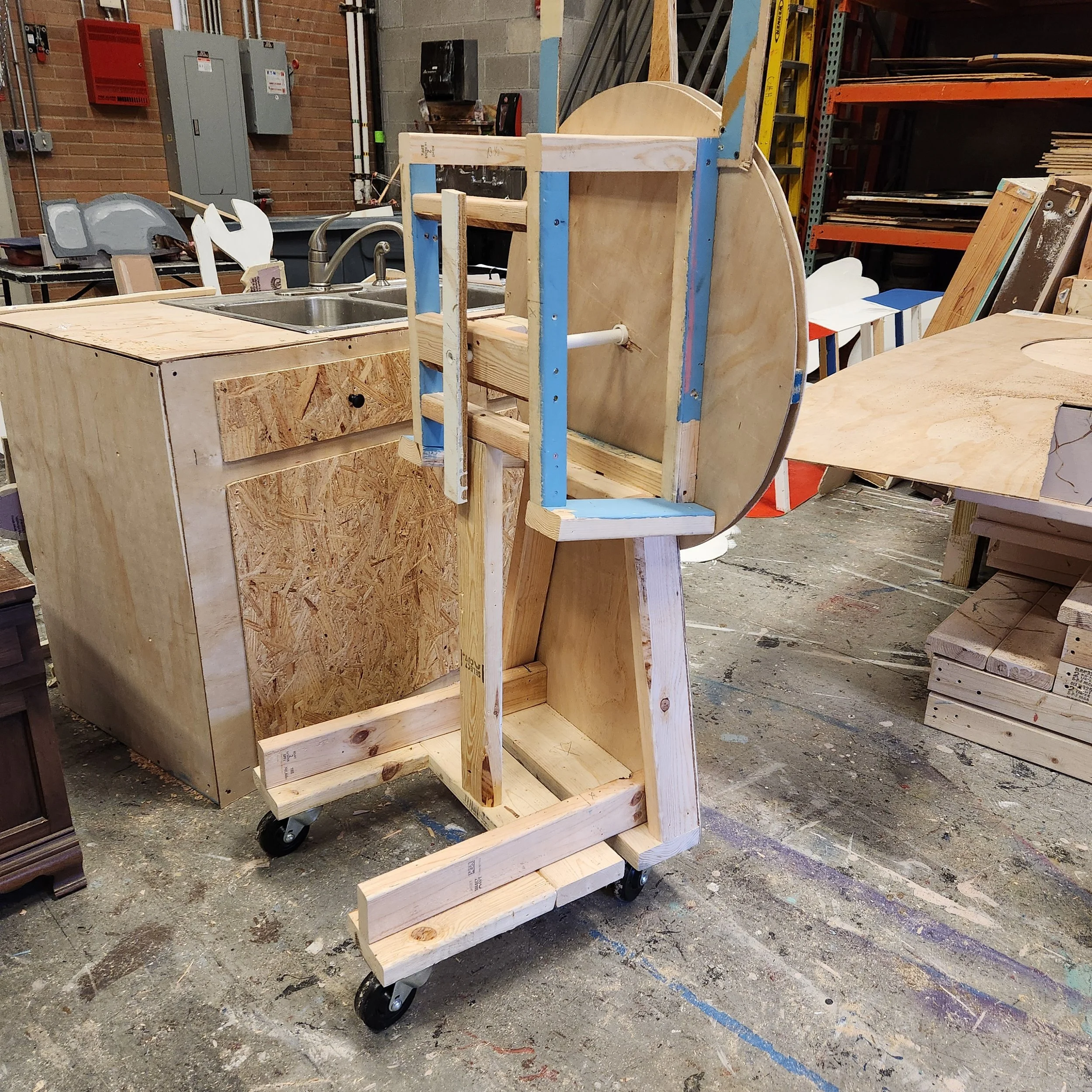
The stage turntable I designed for Hadestown is a perfect example. What began as an existing reference design evolved into a completely different system after real hardware, real materials, and real performance requirements exposed new challenges.
Instead of seeing those changes as failures, I learned to see them as part of the design process.
Perhaps the biggest lesson theater taught me is that design is ultimately about people.
The audience never notices every bolt, wire, or structural detail behind the scenes—and that's exactly the point.
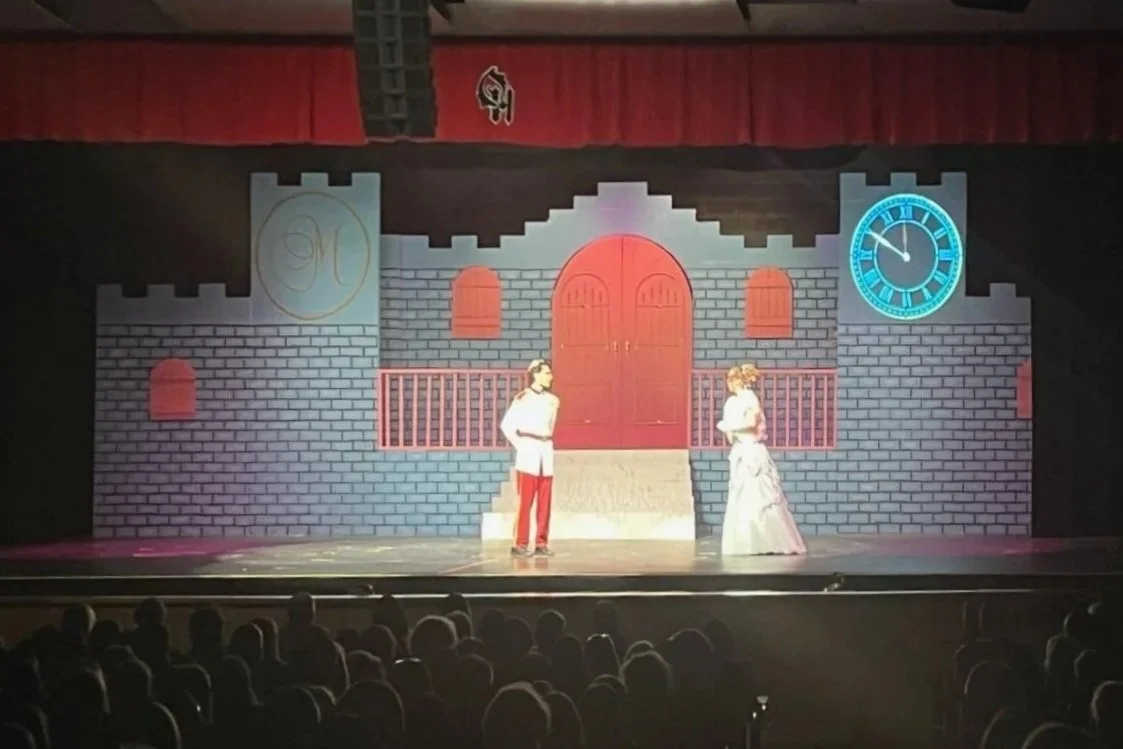
When everything works together, the technology disappears.
The experience becomes the focus.
That idea has shaped how I approach industrial design.
Whether I'm designing a product, building an automation system, or creating a physical prototype, my goal isn't simply to make something that functions.
It's to create something that improves the experience of the people interacting with it.
Today, I'm studying Industrial Design at the University of Cincinnati's College of Design, Architecture, Art, and Planning (DAAP), but many of the lessons I rely on every day didn't begin in a classroom.
They began backstage.
Technical theater taught me to collaborate, communicate, troubleshoot, and think in systems. It taught me how to work under pressure, adapt when plans change, and keep moving toward a solution even when the answer isn't immediately obvious.
Most importantly, it taught me that the best design isn't just something people see.
It's something people experience.
That idea continues to guide every project I take on.
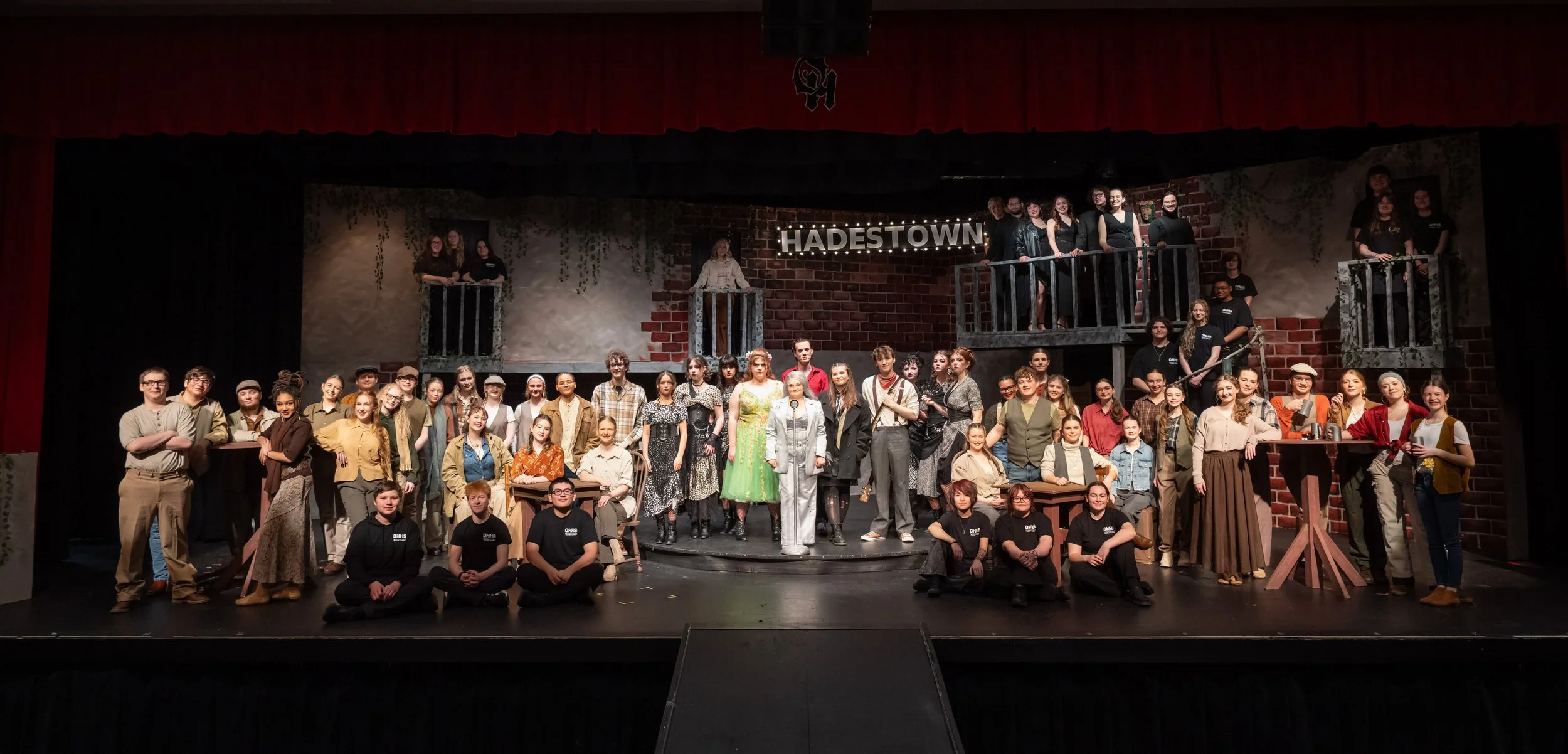
Full Company for Hadestown at Oak Hills High School
