A quick note: Every product in this article is something I personally own and use. I don't recommend tools based on what's popular—I recommend the ones that have earned a permanent place in my workshop. If you purchase through the links below, I may earn a small commission at no additional cost to you. It helps support my work and allows me to continue creating content like this.
Walk into any design studio and you'll find a different collection of tools on every desk.
Some people swear by expensive marker sets. Others can't live without a particular notebook or mouse.
Over the past year at DAAP, I've realized that the most valuable tools aren't necessarily the most expensive—they're the ones that consistently help you solve problems.
These are the tools I actually use on a regular basis, both in the studio and while working on larger projects like a 12-foot stage turntable.
Digital Calipers
If I could recommend one tool to every industrial design student, it would be a good set of digital calipers.
Whether I'm measuring an existing product, checking dimensions before CAD modeling, or reverse engineering a mechanism, calipers save an incredible amount of time.
I probably use mine every week.
Why I like them
Fast
Accurate
Durable
Useful for nearly every project
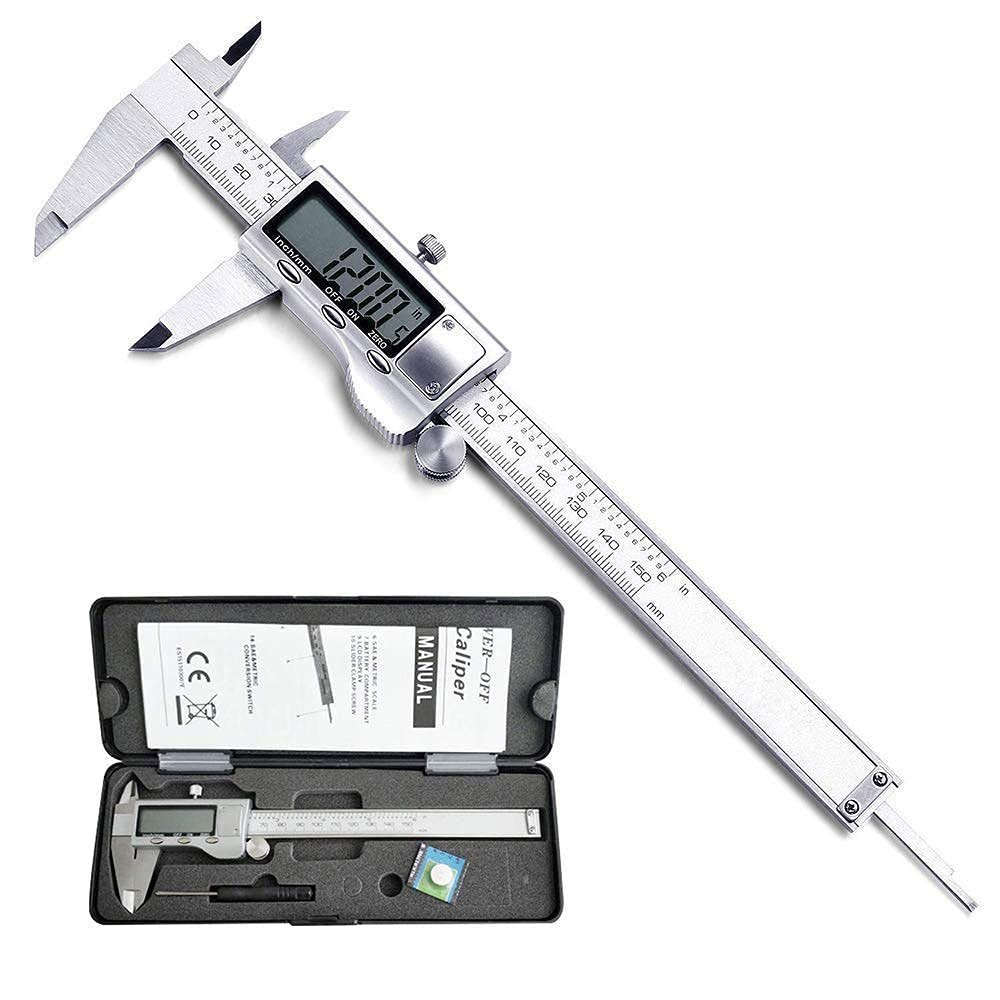
I can't count how many times I've reached for these calipers. Whether I'm prototyping, modeling parts in CAD, or just satisfying my curiosity about how something was designed, they're always within arm's reach.
A Quality Utility Knife
This one sounds obvious...
Until you spend hours cutting chipboard and Bristol paper (ugh) with a dull blade.
A comfortable utility knife has become one of the simplest upgrades I've made.
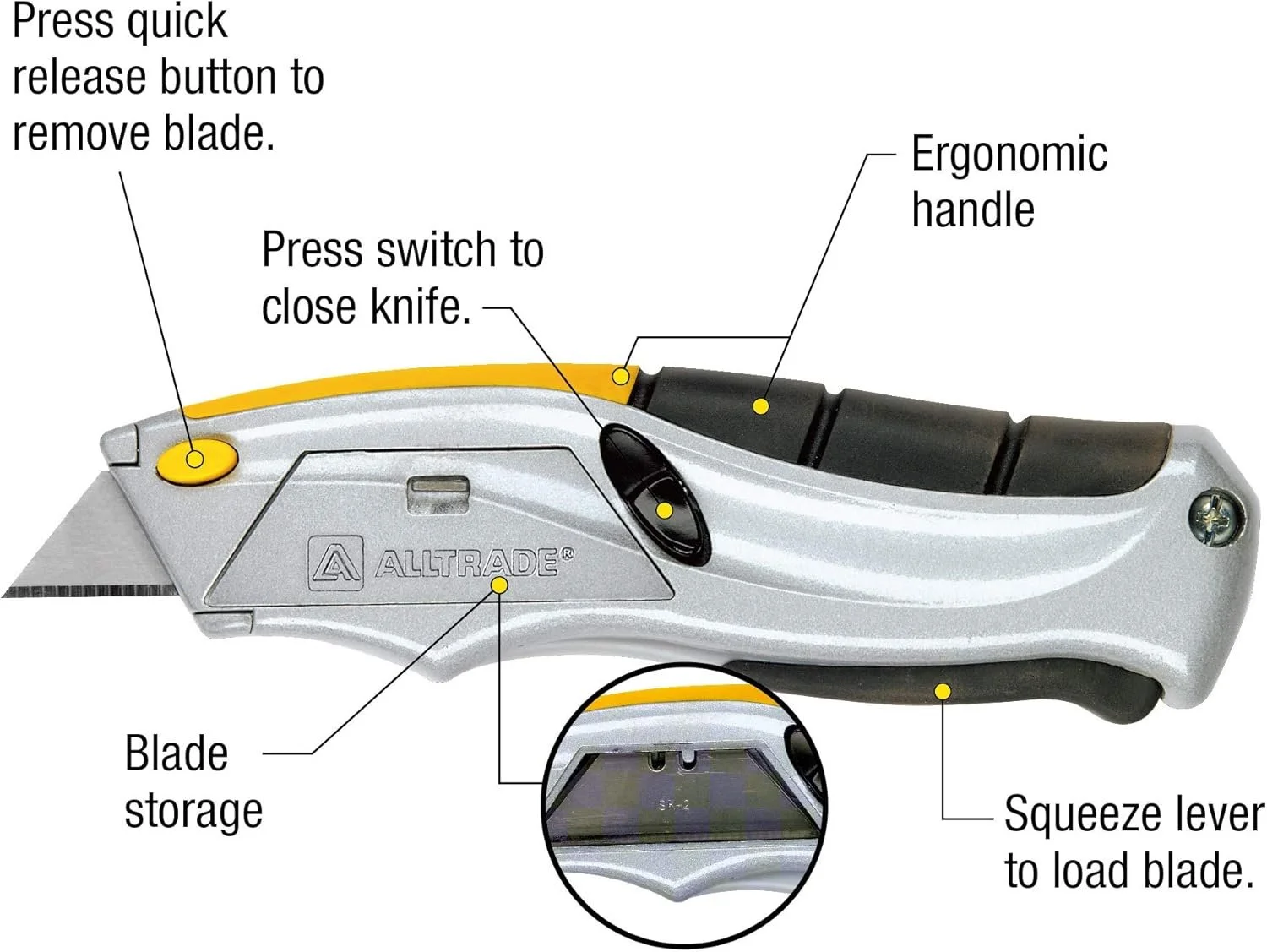
If I could only recommend one utility knife, it'd be this one. It's inexpensive, comfortable, and the auto-loading blade magazine means you're never digging through your toolbox looking for replacement blades mid-project.
Digital Multimeter
Most industrial design students don't think they'll need one.
Then they start working with electronics.
My multimeter became one of the most valuable tools I owned while troubleshooting the VFD and electrical controls on the stage turntable project.
Even if you never design industrial equipment, understanding voltage, continuity, and resistance is incredibly useful.
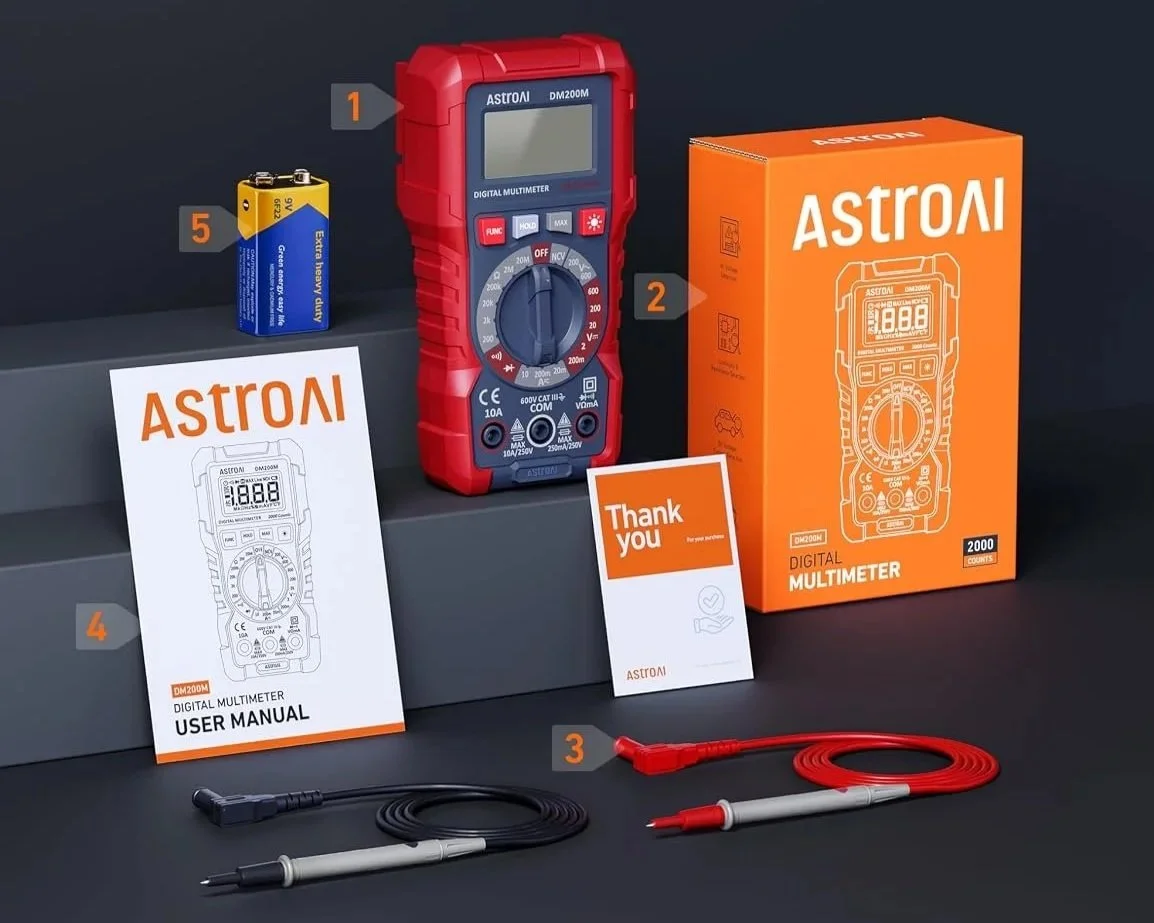
A digital multimeter quickly became one of the most valuable tools in my workshop. From troubleshooting electronics to commissioning the control system for my stage turntable, it's helped me solve problems that simply aren't visible to the naked eye. Every designer should know the basics of using one.
Rotary Tool (Dremel)
There isn't another tool I own that's as versatile.
I've used it to:
cut hardware
sand prototypes
clean metal
trim plastic
polish parts
It's one of those tools you don't appreciate until you own one.
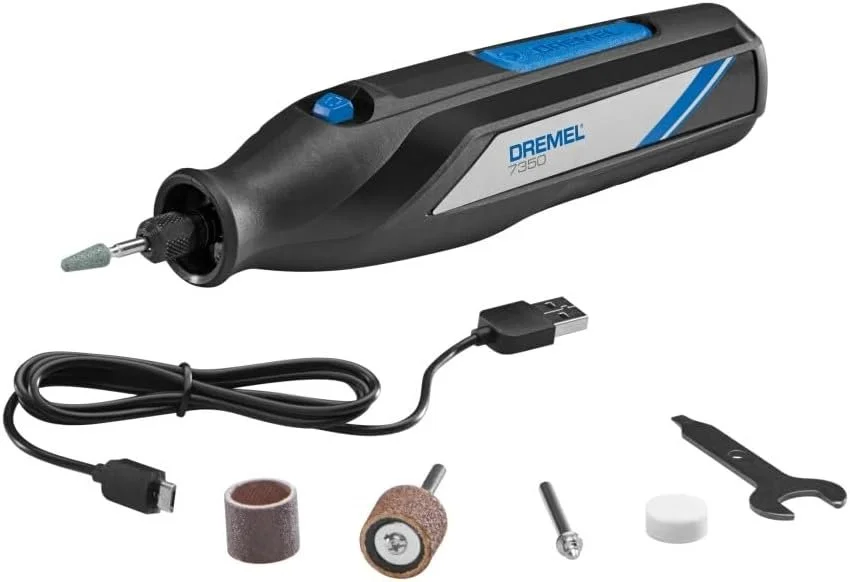
A Dremel is easily one of the most versatile tools I own. Whether I'm trimming prototypes, modifying parts, polishing edges, or making quick repairs, it consistently finds a place in nearly every project. It's one of those tools that becomes more useful the longer you own it.
Safety Glasses
Probably the least exciting recommendation...
And the most important.
I've spent hundreds of hours in workshops.
Good eye protection is worth far more than whatever project you're building.
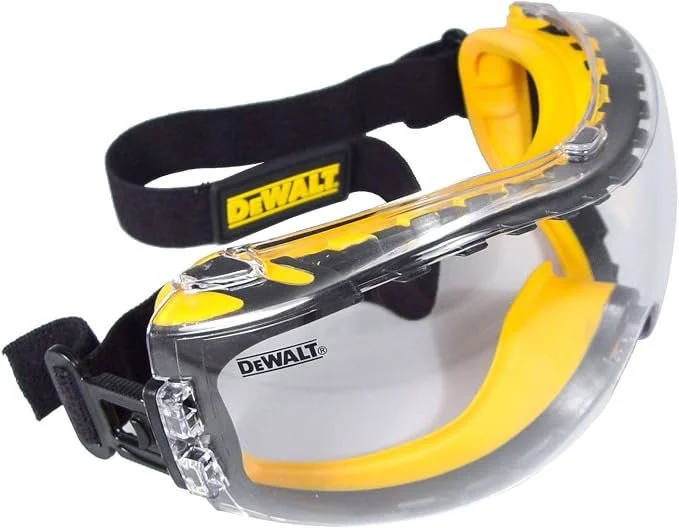
Safety glasses are easily the most overlooked tool in any workshop. Whether I'm cutting metal, sanding wood, or using power tools, I never start a project without putting on eye protection. It's a simple habit that's prevented countless close calls.
A Good Backpack
This sounds silly...
Until you're carrying a laptop, sketchbooks, chargers, calipers, notebooks, and half a workshop across campus.
I use mine almost every day for classes, travel, everything.
Fits my 17” laptop, all of my notebooks and writing supplies, I absolutely love this thing.
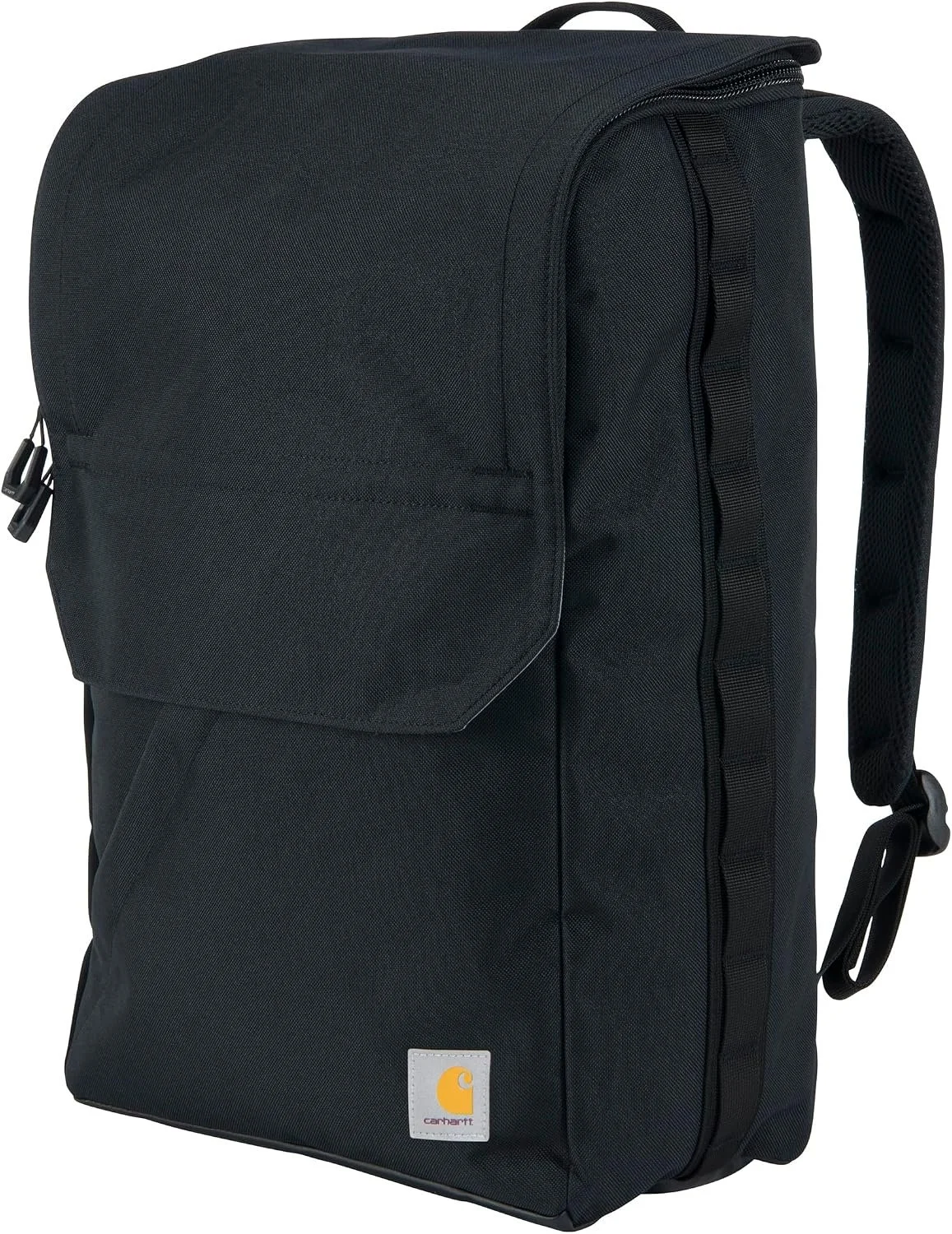
My backpack goes just about everywhere with me—from DAAP studios and workshops to theater rehearsals and weekend trips. This one has held up incredibly well while carrying everything from power tools, wood scarps, a weeks’ worth of clothes, whatever I need without missing a beat.
A USB Thumb Drive
Backing up CAD files once isn't enough.
Backing them up automatically is better.
Projects disappear.
Drives fail.
Don't lose weeks of work (I built a whole new computer because mine died with my CAD final on it).
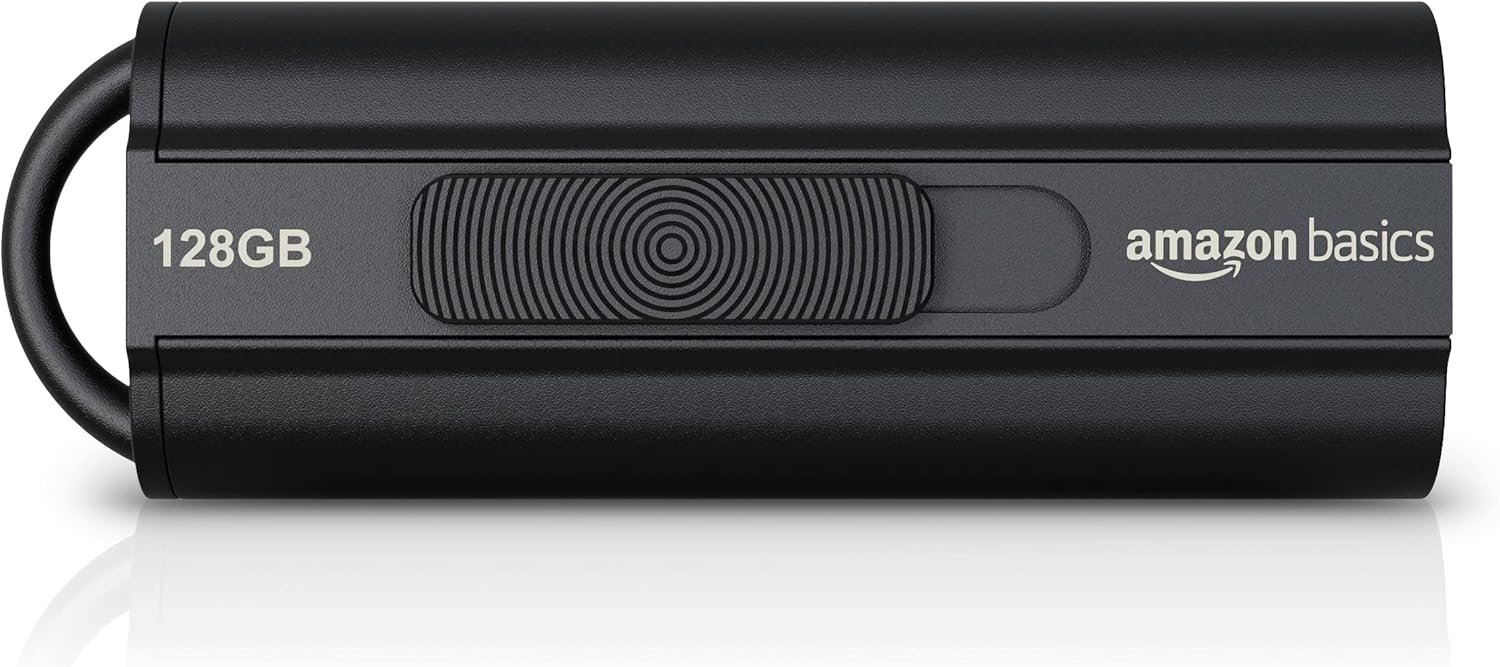
I always keep a flash drive in my backpack. Whether I'm moving CAD files between studio computers, backing up presentations before critiques, or transferring photos from a project, it's one of those tools that quietly saves the day more often than you'd expect.
Good Lighting
Whether you're photographing a prototype or working late in the studio, lighting matters more than people realize.
It improves both your work and your documentation.
Photo studios get backed up.
It has been beyond convenient to have my own lighting at my disposal whenever I need it.
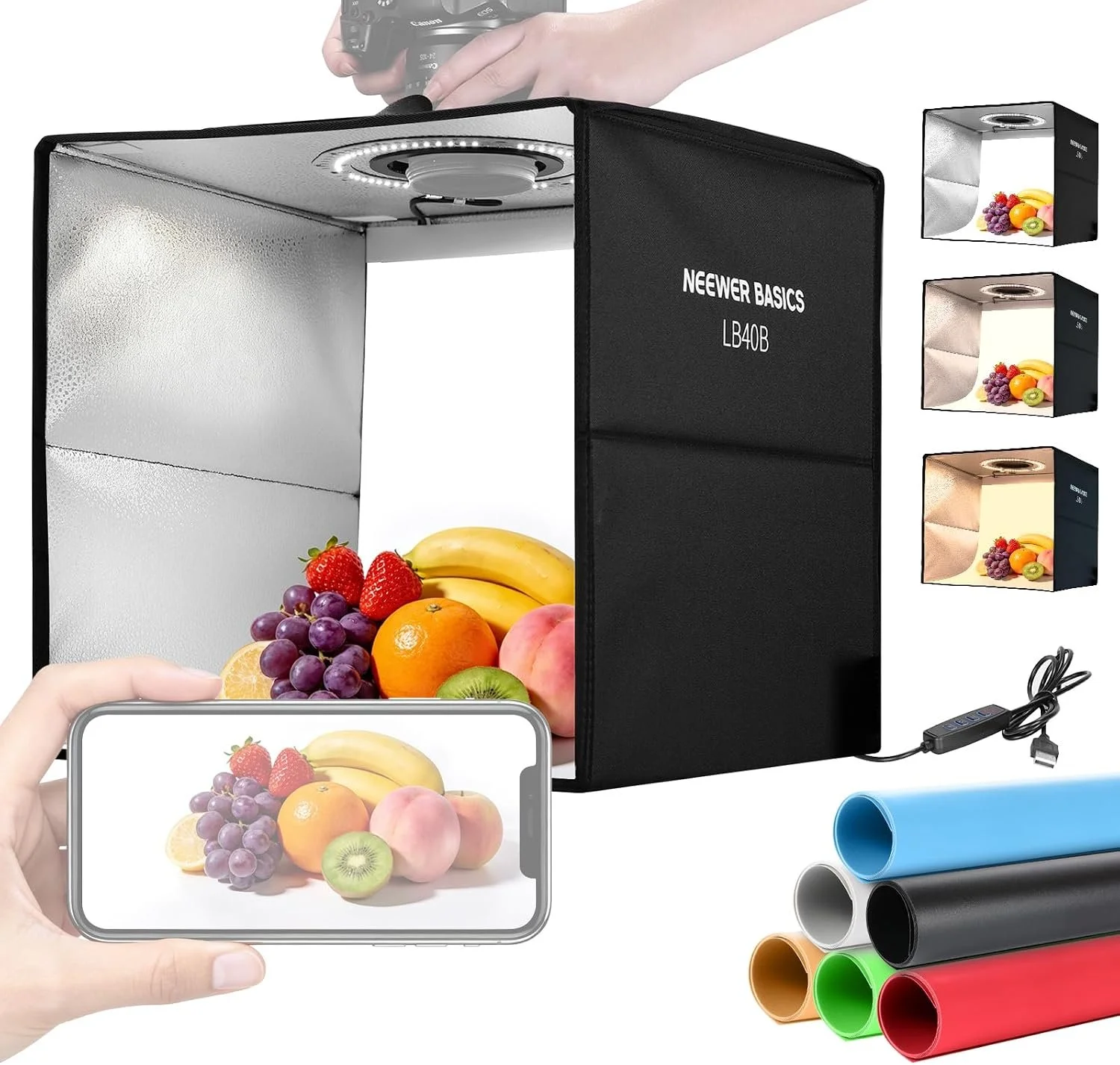
Some of the best advice I've received is that your work is only as good as you present it. A portable light box like this makes it easy to capture clean, professional-looking photos of prototypes, products, and small projects—whether you're building a portfolio, selling online, or simply documenting your work.
My Biggest Advice
The biggest mistake I see isn't buying the wrong tools.
It's buying too many tools before you actually need them.
Start with the basics.
Learn them well.
Then buy equipment that solves problems you've actually encountered.
Some of my favorite projects—including the stage turntable—were built with relatively simple tools used thoughtfully.
Knowing how to use your tools will always be more valuable than owning the most expensive ones.
